“When you own who you are, no one can use it against you.” ~ Chris Colfer
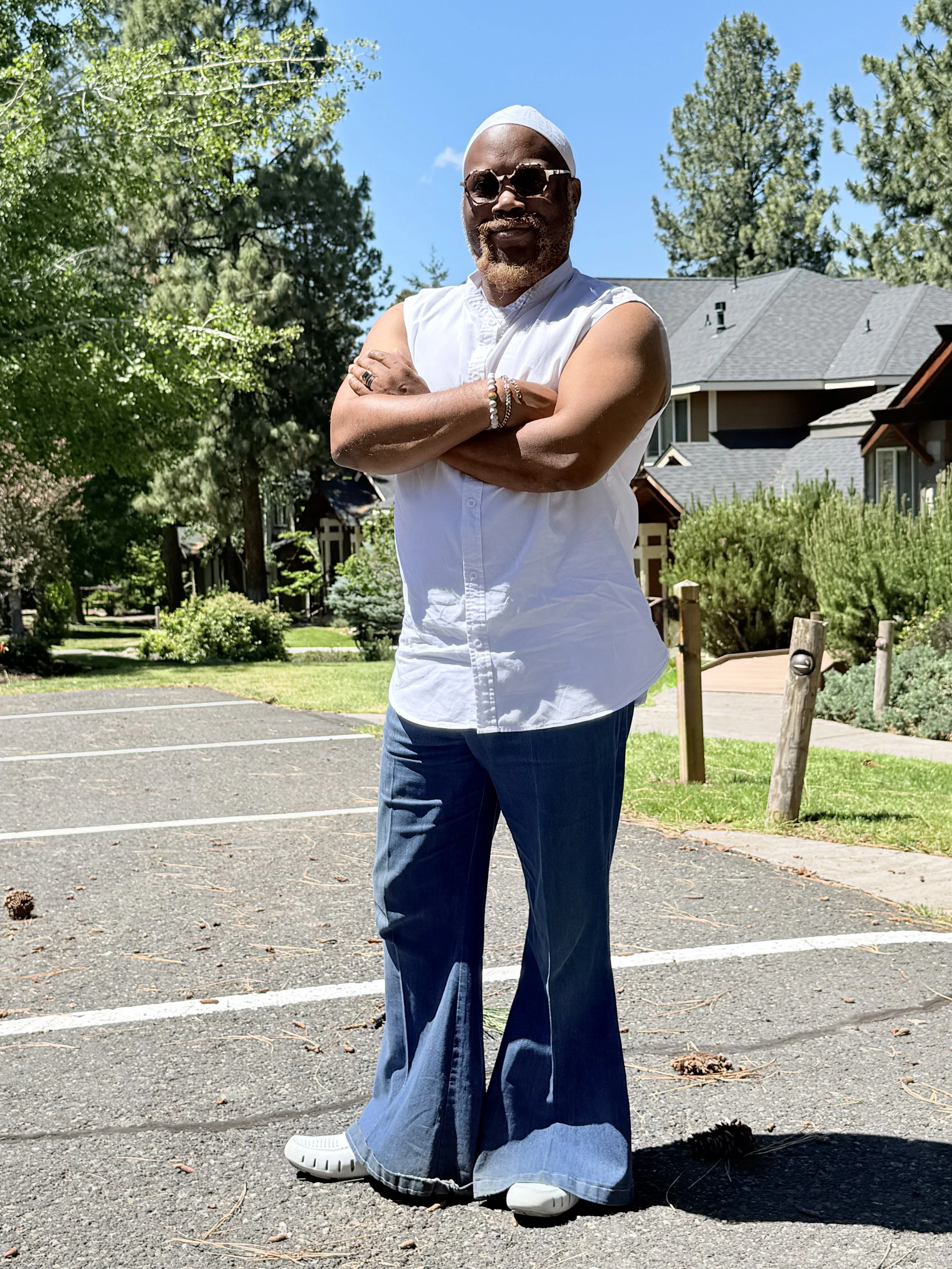
Therapy with Tekulvē
Working with me can look different for each person. My work at Two Brothas Counseling is via telehealth only. I am licensed to practice in Colorado, Florida, Georgia, Idaho, Michigan, Oregon, South Carolina, and Utah. In addition, I will be reopening our clinical operations in Arizona and Nevada by the end of Summer 2026. My services at Two Brothas Counseling is private pay only. I also provide telehealth services through Tava Health and Alma for those seeking services using insurance.
For those seeking gender-affirming care in the State of Utah, I am a proud member of the staff at One Haven in Salt Lake City, Utah, where I work with Dr. Kuhn and their staff of amazing therapists. I see adolescent and young adult patients who are experiencing gender dysphoria and the associated mental health symptoms. I provide letters of support for those seeking legal name and gender marker changes, HRT, hormone blockers, and gender-affirming surgeries. Those services are also available in states where I am licensed to practice, via telehealth.
I work from a primarily Narrative approach, focusing on the impact of language on problem development and resolution. I see therapy as a conversation between the client as the expert on their lives and the therapist as the expert on the process of change. We work collaboratively to identify and navigate the most useful path to the changes you would like to see in your life. While I am not licensed to prescribe medication, I can assist clients in exploring medications, and I work with primary care providers to identify the most effective ways to use medication in the treatment of mental health conditions.
In addition to providing clinical services, I also provide clinical supervision for therapists who are working towards becoming licensed. I am an AAMFT Approved Supervisor and AAMFT Clinical Fellow. Providing clinical supervision is one way that I like to give back to the field. Much like my clinical focus, I make it a priority to supervise BIPOC and LGBTQ+ therapists. I believe it is important to receive mentorship and guidance from someone with shared experiences. At the same time, I believe that therapists who are not BIPOC or LGBTQ+ could benefit from consultation from a seasoned clinician who has had experiences that they may not be able to relate to via firsthand experience.